
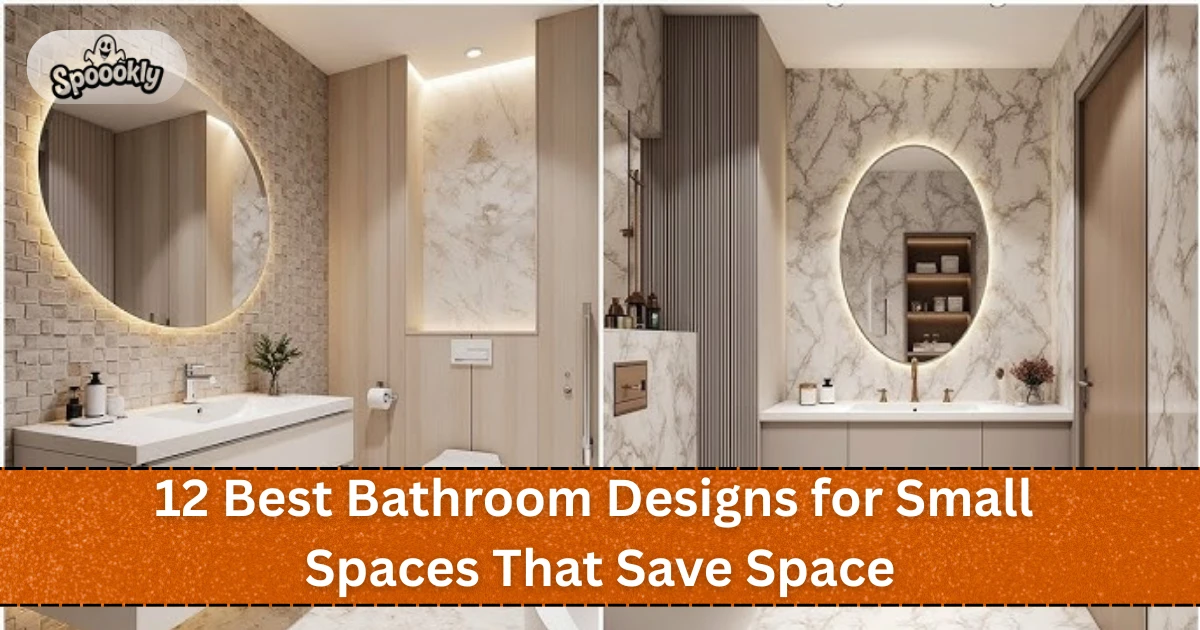

Small bathrooms can still feel comfortable, organized, and stylish when the design uses space wisely. I often notice that the biggest challenge in a small bathroom is not the size itself but how the layout and fixtures use that limited area.
When I plan a bathroom design for small spaces, I focus on layout, storage, lighting, and fixtures that do not crowd the room. A thoughtful design can make even a compact bathroom look cleaner, larger, and more practical.
In this guide, I will share 12 practical bathroom designs for small spaces that work well in real homes. Each design helps improve storage, movement, and visual space without making the room feel cramped.
Why Choosing the Right Small Bathroom Design Matters
A small bathroom layout needs careful planning because every inch counts. Poor design quickly makes the room feel cluttered, while smart choices make it open and easy to use.
I always start by looking at three important factors.
Space Usage
Every fixture should serve a purpose without blocking movement.
Storage
Vertical storage, floating shelves, and compact cabinets help reduce clutter.
Visual Balance
Light colors, mirrors, and simple layouts make a small bathroom appear larger.
When these three elements work together, a small bathroom becomes much more comfortable.
1. Floating Vanity Bathroom Design
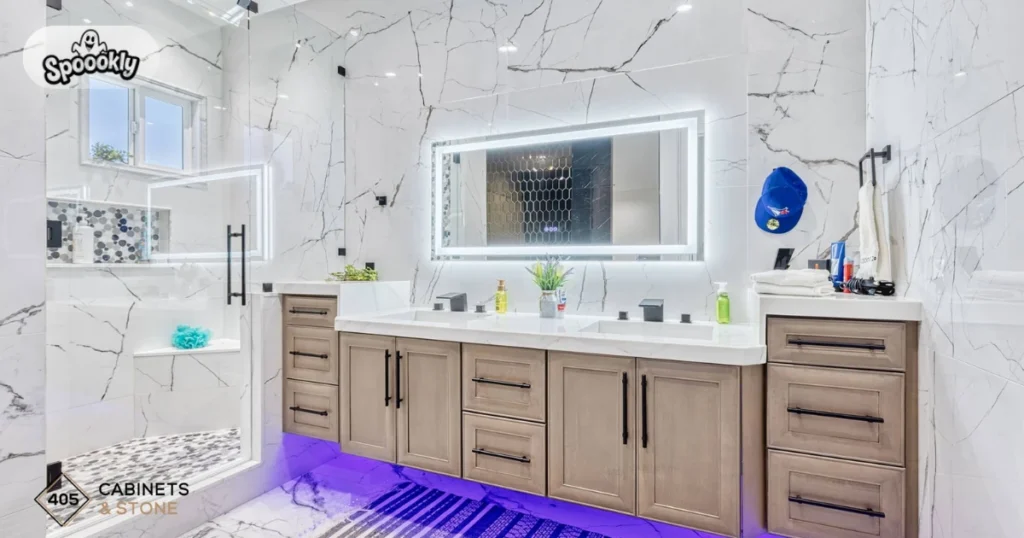
A floating vanity bathroom design is one of the easiest ways to create extra visual space in a small bathroom. The vanity attaches to the wall and leaves the floor open underneath.
Because the floor remains visible, the bathroom feels larger and less crowded. I often recommend floating vanities when the bathroom floor area is limited but storage is still needed.
Floating vanities also make cleaning easier. You can sweep or mop under the vanity without obstacles, which keeps the space tidy and hygienic.
Many modern floating vanities include drawers that store toiletries, towels, and daily bathroom items without taking extra space.
2. Corner Shower Bathroom Design
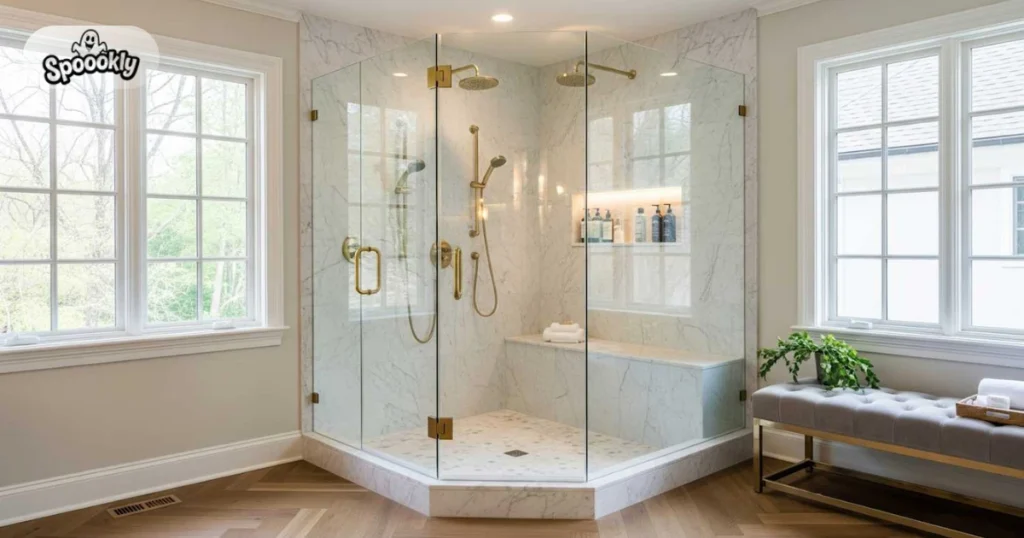
A corner shower layout helps save space by using an area that often remains unused. This design works well in small bathrooms where a full bathtub or wide shower would block movement.
I usually suggest installing a glass corner shower enclosure because it keeps the bathroom visually open. Clear glass panels prevent the room from feeling divided.
Corner showers also allow more space for other elements such as a vanity or storage cabinet. Many homeowners choose sliding glass doors because they do not require extra space to open.
With the right tile pattern and lighting, a corner shower can make a compact bathroom look organized and modern.
3. Wall Mounted Toilet Design
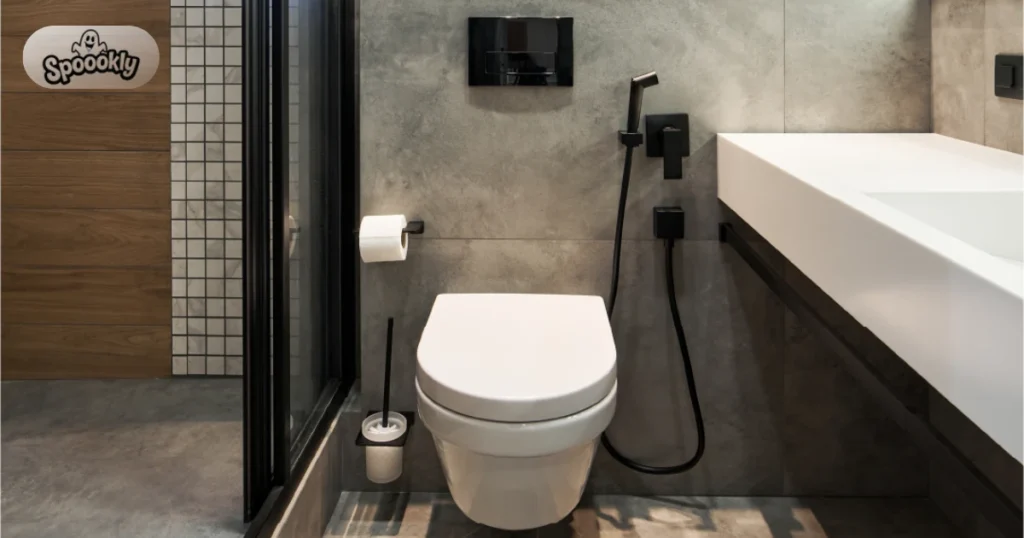
A wall mounted toilet design works extremely well in compact bathrooms. The tank hides inside the wall, and only the bowl remains visible.
This design saves several inches of floor space compared to traditional toilets. In a small bathroom, even a few extra inches make a noticeable difference.
Another advantage is that wall mounted toilets create a cleaner look. The floor remains visible beneath the toilet, which visually expands the room.
Cleaning becomes easier as well because there are fewer tight corners around the base.
4. Minimalist Small Bathroom Design
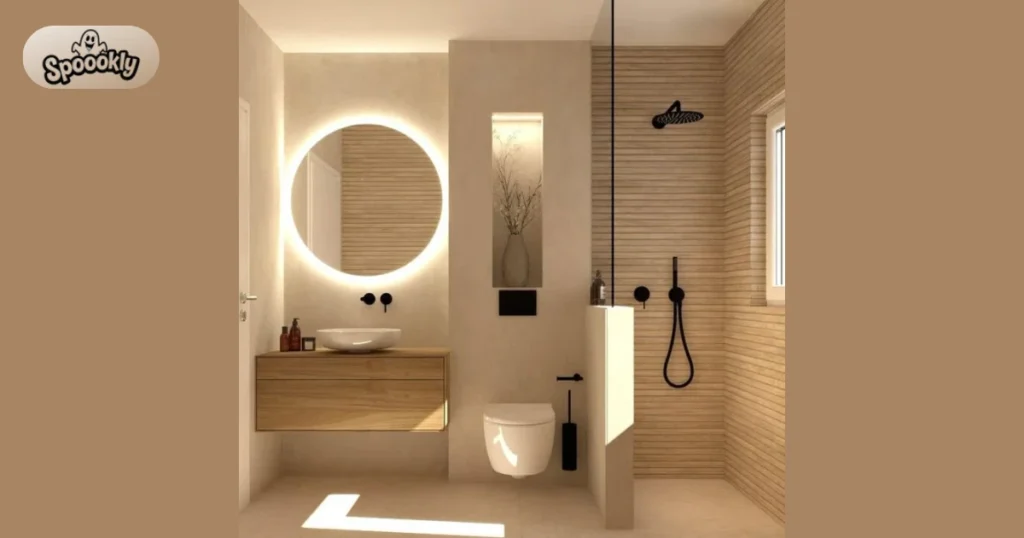
A minimalist bathroom design focuses on keeping only essential elements in the space. When a small bathroom includes too many decorations or bulky fixtures, the room quickly feels crowded.
I like using a simple color palette with light shades such as white, soft grey, or beige. These colors reflect light and make the room appear larger.
Minimalist bathrooms usually include a simple vanity, a clean mirror, and limited accessories. This approach keeps the space calm and easy to maintain.
The result is a bathroom that feels open even when the room size is small.
5. Vertical Storage Bathroom Design
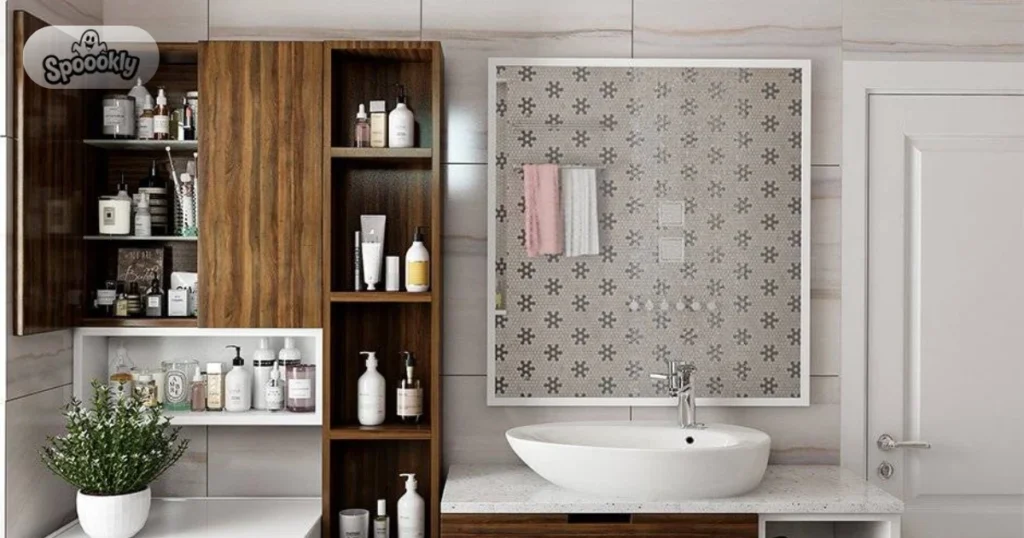
A vertical storage bathroom design uses wall height instead of floor space. This idea works perfectly for small bathrooms where storage often becomes a problem.
Tall cabinets, wall shelves, and hanging organizers can hold toiletries, towels, and cleaning supplies without taking up valuable floor area.
I often install shelves above the toilet or next to the vanity. These areas remain unused in many bathrooms but can provide excellent storage.
Vertical storage also keeps items organized and reduces clutter on the countertop.
6. Glass Shower Bathroom Design
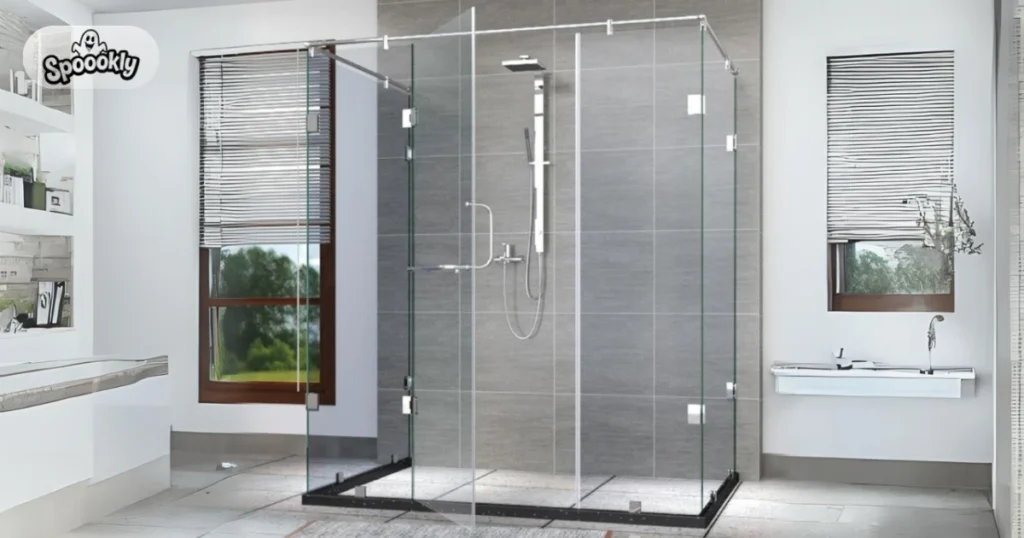
A glass shower bathroom design helps create an open feeling inside a small bathroom. Traditional shower curtains or solid walls can visually divide the space.
Clear glass panels allow light to move freely across the room. Because the shower area remains visible, the bathroom appears wider and more spacious.
Many homeowners choose frameless glass shower panels because they provide a clean and modern appearance.
This design works especially well in bathrooms with light-colored tiles and bright lighting.
7. Sliding Door Bathroom Design
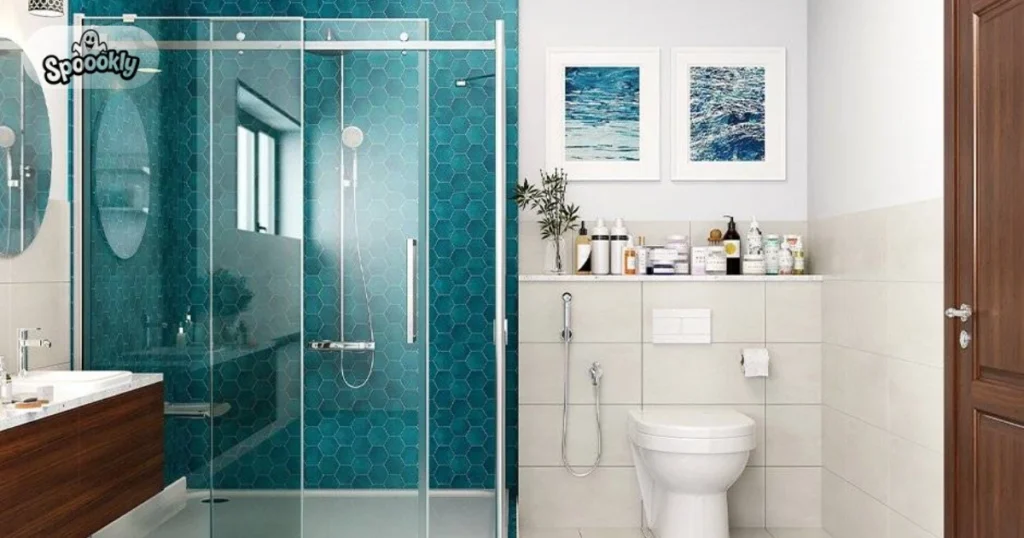
A sliding door bathroom design saves space that a traditional swing door usually occupies. In small bathrooms, a door that swings inward can block the vanity, toilet, or shower area.
Sliding doors move along a wall or rail system, so they do not require extra space to open. I often recommend this option when the bathroom entrance area feels tight.
Many homeowners choose barn style sliding doors or pocket doors because they look simple and practical. These doors also make movement inside the bathroom smoother.
This design helps improve accessibility while keeping the layout clean and functional.
8. Light Color Bathroom Design
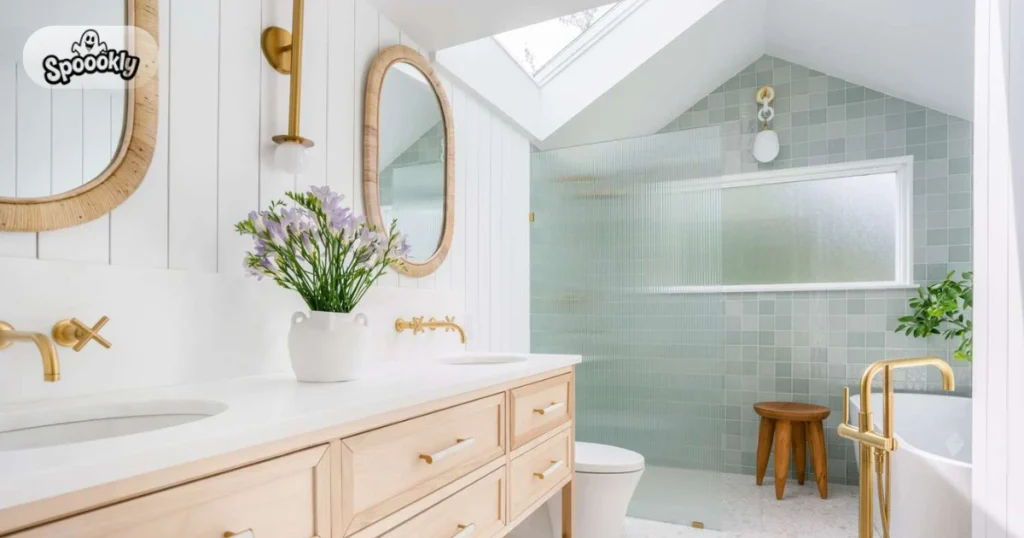
A light color bathroom design makes a small bathroom appear brighter and larger. Light shades reflect natural and artificial light across the room.
I usually prefer colors such as white, soft grey, light beige, or pale blue. These tones reduce visual heaviness and create a calm atmosphere.
Walls, tiles, and vanities in lighter shades also help maintain visual continuity. When too many dark colors appear in a small bathroom, the room may feel closed and narrow.
Using a consistent light palette keeps the bathroom fresh and spacious.
9. Mirror Wall Bathroom Design
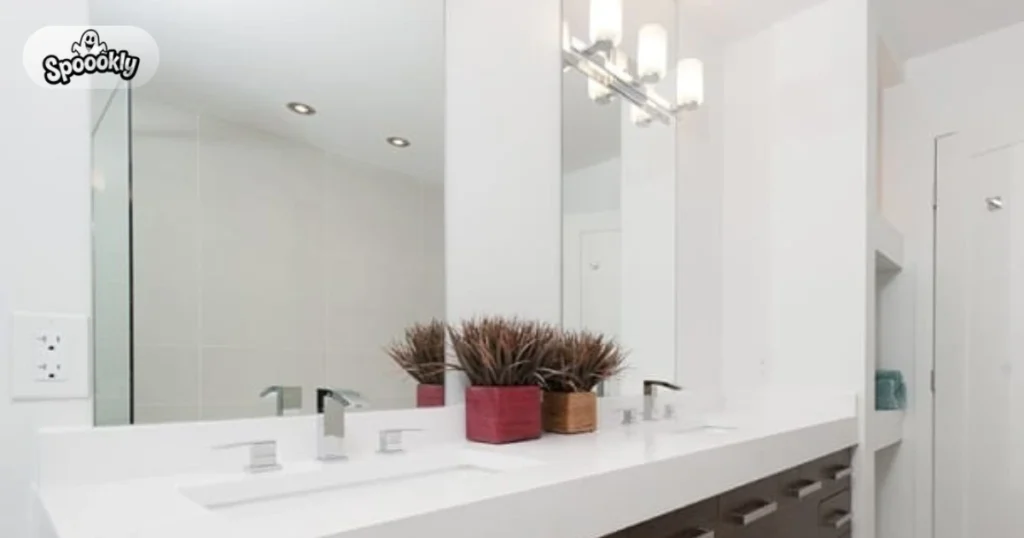
A mirror wall bathroom design works well for expanding the visual size of a small bathroom. Mirrors reflect light and surrounding elements, which creates the illusion of extra space.
I often install a large mirror above the vanity that stretches across the wall. This approach removes visual breaks and makes the wall appear longer.
Mirrors also improve lighting inside the bathroom by reflecting natural or artificial light sources. A well placed mirror can brighten the entire room.
In small bathrooms, even a single large mirror can change the overall appearance significantly.
10. Compact Vanity Bathroom Design
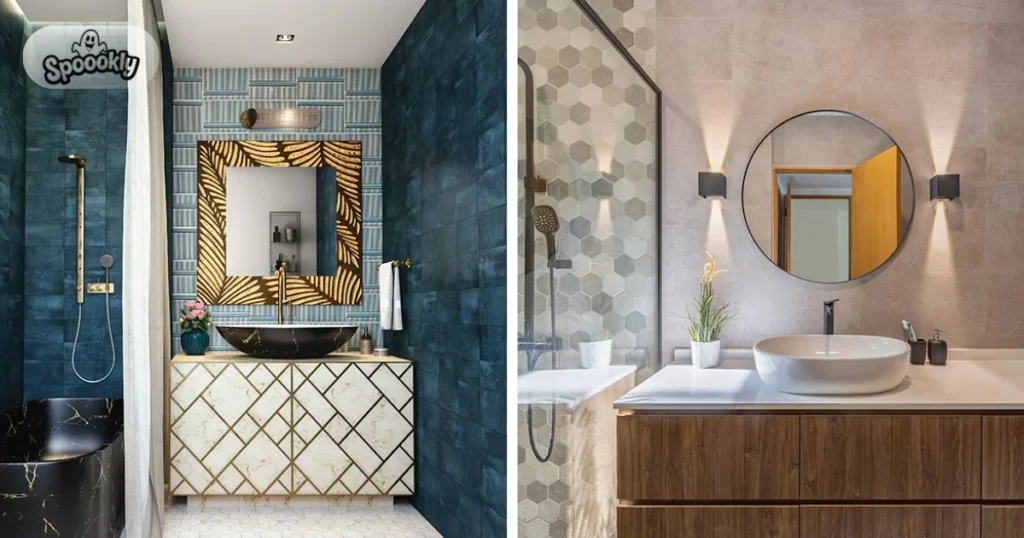
A compact vanity bathroom design focuses on reducing the footprint of the vanity while keeping storage available. Large cabinets often dominate small bathrooms.
I prefer vanities with narrow depth or wall mounted models that provide drawers and shelves without occupying too much floor area.
Some compact vanities include built in organizers for toiletries, grooming tools, and cleaning supplies. This helps maintain an uncluttered countertop.
Choosing a smaller vanity creates more walking space and keeps the bathroom comfortable to use.
11. Walk In Shower Bathroom Design
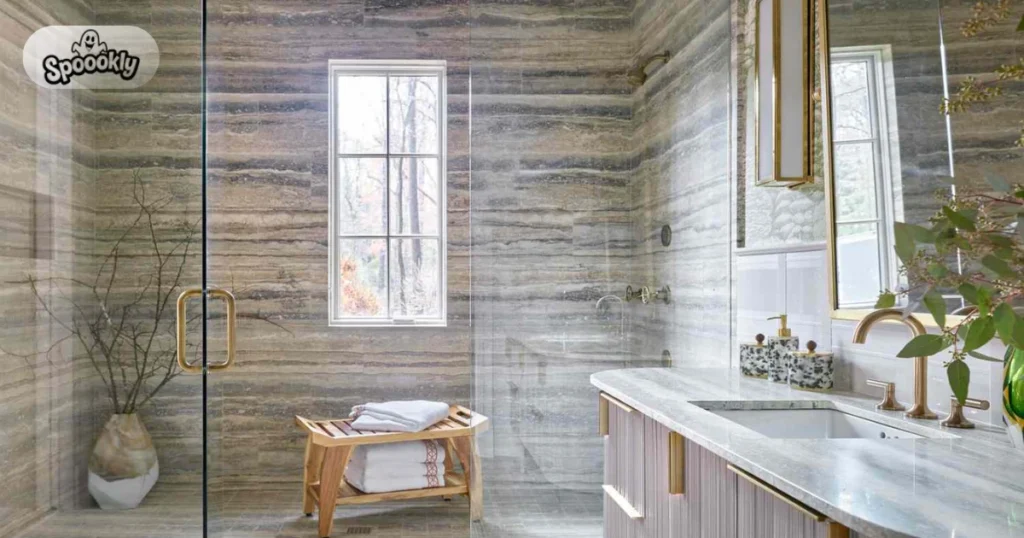
A walk in shower bathroom design works very well when the bathroom cannot accommodate a bathtub. Removing a bulky tub often creates extra floor space.
Walk in showers usually include glass panels or partial partitions. These elements maintain openness while keeping water inside the shower area.
Many small bathrooms use large format tiles and simple drains inside walk in showers. This keeps the design smooth and visually continuous.
The result is a bathroom that feels modern, open, and easier to move around.
12. Smart Storage Bathroom Design
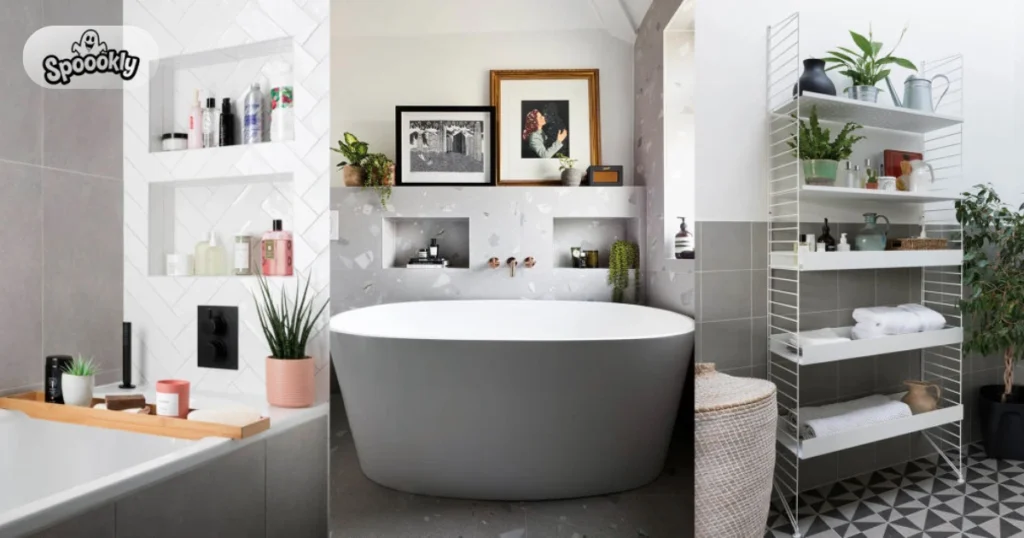
A smart storage bathroom design focuses on organizing everyday items without adding bulky furniture. Small bathrooms require storage solutions that stay hidden and practical.
I usually recommend storage ideas such as recessed shelves, mirror cabinets, and wall mounted baskets. These options hold bathroom items while maintaining a clean appearance.
Another useful idea involves placing storage behind mirrors or inside slim cabinets. This helps keep daily products accessible but out of sight.
When storage remains organized, the bathroom automatically feels larger and more relaxing.
Comparison Table of Popular Small Bathroom Designs
The following table highlights how different small bathroom designs improve space usage.
| Bathroom Design | Space Saving Benefit | Best For |
|---|---|---|
| Floating Vanity | Keeps floor visible | Compact modern bathrooms |
| Corner Shower | Uses unused corner areas | Very small bathrooms |
| Wall Mounted Toilet | Saves floor space | Minimal layouts |
| Glass Shower | Keeps room visually open | Modern bathrooms |
| Sliding Door | Removes door swing space | Tight entry bathrooms |
| Vertical Storage | Uses wall height | Storage limited bathrooms |
Practical Tips for Designing a Small Bathroom
A good small bathroom design depends on thoughtful planning. Even simple adjustments can improve comfort and functionality.
Choose Compact Fixtures
Smaller sinks, toilets, and vanities leave more room for movement.
Use Wall Mounted Storage
Shelves and cabinets attached to the wall free the floor space.
Keep Colors Consistent
Using similar shades across walls, tiles, and fixtures prevents visual clutter.
Improve Lighting
Bright lighting makes the bathroom feel larger and easier to use.
Limit Decorative Items
Too many accessories can make a small bathroom feel crowded.
These small decisions often make the biggest difference in compact bathrooms.
Small Bathroom Layout Guide for Better Space Planning
Designing a small bathroom layout becomes easier when the focus stays on movement, storage, and fixture placement. I always remind myself that even a few inches saved in the layout can improve comfort.
A practical layout keeps the sink, toilet, and shower positioned without blocking walking space. When fixtures sit too close together, the bathroom quickly feels tight.
I prefer planning the layout before selecting fixtures. This approach helps avoid buying items that are too large for the available space.
Recommended Layout Sizes for Small Bathrooms
Different bathroom sizes require different design choices. The following table shows common small bathroom sizes and suitable layouts.
| Bathroom Size | Recommended Layout | Suitable Features |
|---|---|---|
| 5 x 7 feet | Corner shower layout | Floating vanity, wall toilet |
| 6 x 8 feet | Walk in shower design | Compact vanity, vertical storage |
| 7 x 9 feet | Tub and shower combination | Sliding door, large mirror |
Small Bathroom Design Mistakes to Avoid
Many small bathrooms feel cramped because of common design mistakes. Avoiding these issues can improve both comfort and appearance.
Common mistakes include:
- Installing oversized vanities or cabinets
- Using too many dark colors on walls and tiles
- Blocking natural light with bulky storage units
- Ignoring vertical storage options
- Placing mirrors too small for the wall
Simple Checklist Before Designing a Small Bathroom
Before starting a bathroom renovation for small spaces, I usually follow a short checklist. This helps prevent design problems later.
Quick planning checklist
- Measure the bathroom area carefully
- Choose compact fixtures before construction
- Plan storage using wall space
- Select light colors and reflective surfaces
- Install proper lighting near mirrors
Conclusion
A bathroom design for small spaces works best when every element supports comfort, storage, and movement. I always focus on layouts that reduce clutter while keeping the bathroom visually open.
The twelve ideas shared in this guide show that a small bathroom can still feel organized and stylish. Floating vanities, corner showers, glass panels, and smart storage solutions help maximize the available space.
If you plan your layout carefully and choose compact fixtures, even a small bathroom can become comfortable, clean, and easy to maintain.
FAQs
The best small bathroom design usually includes floating vanities, corner showers, and wall mounted toilets. These features save floor space and improve movement.
You can make a small bathroom appear larger by using light colors, large mirrors, glass showers, and proper lighting.
Yes, floating vanities work well in compact bathrooms because they keep the floor visible and create extra visual space.
A walk in shower is often a better option than a bathtub in small bathrooms because it reduces bulk and improves accessibility.
Light colors such as white, beige, light grey, and soft blue reflect light and help make small bathrooms feel open.
You can add storage using wall shelves, vertical cabinets, mirror cabinets, and recessed shelves inside walls.
Yes, large mirrors reflect light and create the illusion of a bigger space, which improves the overall look of a small bathroom.