
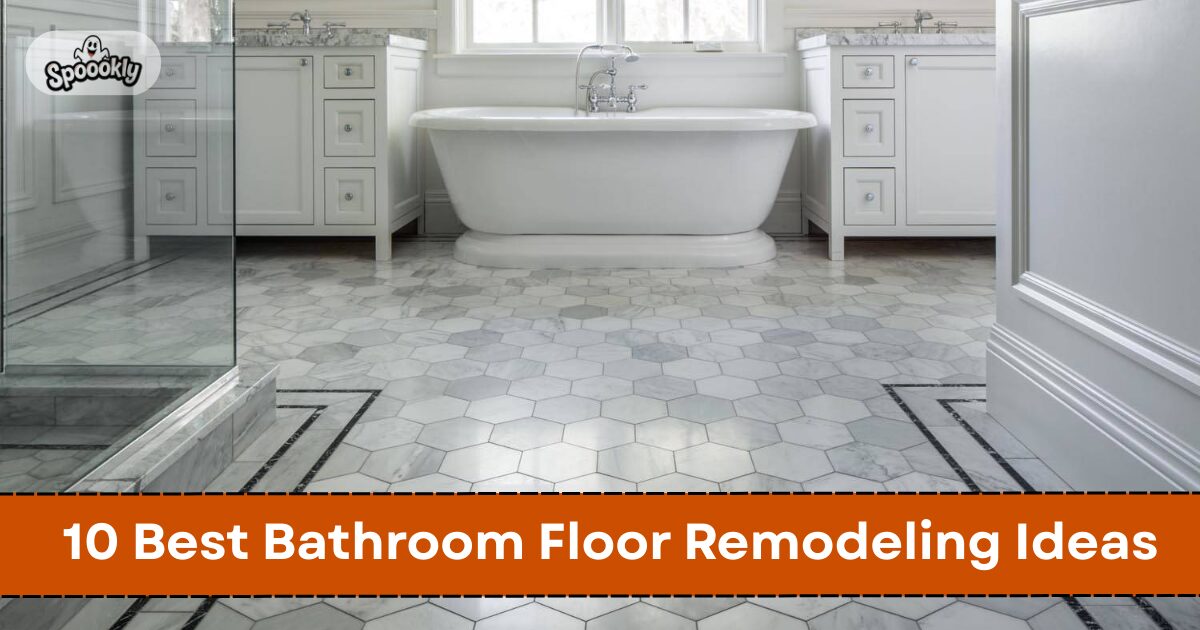

Bathroom floor remodeling ideas help homeowners upgrade one of the most used areas in the house. The bathroom floor faces water, humidity, and daily traffic, so choosing the right flooring design matters.
When I plan a bathroom upgrade, I often start with the floor because it changes the entire look of the space. The right flooring material and layout can make a bathroom feel cleaner, brighter, and more comfortable.
This guide shares practical bathroom floor remodeling ideas that many homeowners use during renovations. Each idea focuses on design, durability, and everyday functionality.
Why Bathroom Floor Design Matters in Remodeling
Bathroom floors affect both safety and style in a remodeling project. A well-planned floor improves durability while also improving the overall bathroom design.
I have seen many bathrooms look completely different after only a floor upgrade. The right tile pattern or material often refreshes the entire space.
The following ideas highlight bathroom floor remodeling options that homeowners commonly use because they work well in real homes.
1. Large Format Tiles for a Spacious Bathroom Floor
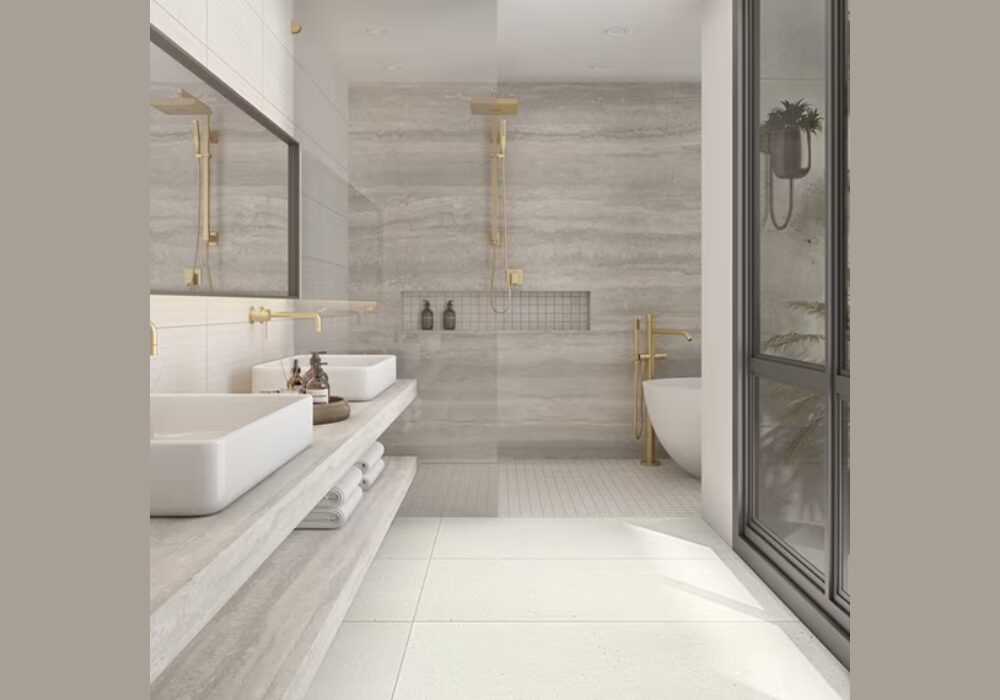
Large-format tiles create a clean and continuous bathroom floor surface. Fewer grout lines make the room feel more open and organized.
I often recommend large tiles for small bathrooms because they visually expand the floor area. The surface looks smoother and easier to maintain.
Neutral shades like light gray, beige, and soft white work well with large tiles. These colors help reflect light and brighten the space.
2. Hexagon Tile Flooring for a Modern Bathroom Style
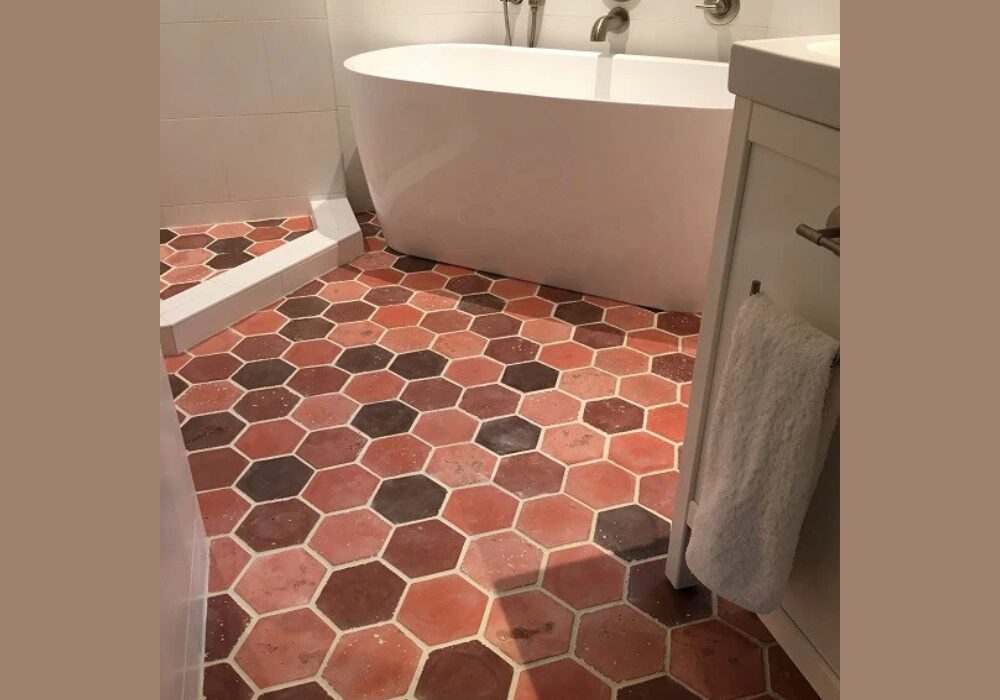
Hexagon tiles create a geometric pattern that adds personality to bathroom floors. The six-sided shape breaks the monotony of standard square tiles.
Many homeowners choose hexagon tiles because they provide a decorative floor without overwhelming the room. The pattern feels balanced and structured.
Black and white hexagon flooring remains popular because it fits both classic and modern bathroom styles.
3. Wood Look Porcelain Flooring for Warm Bathroom Design
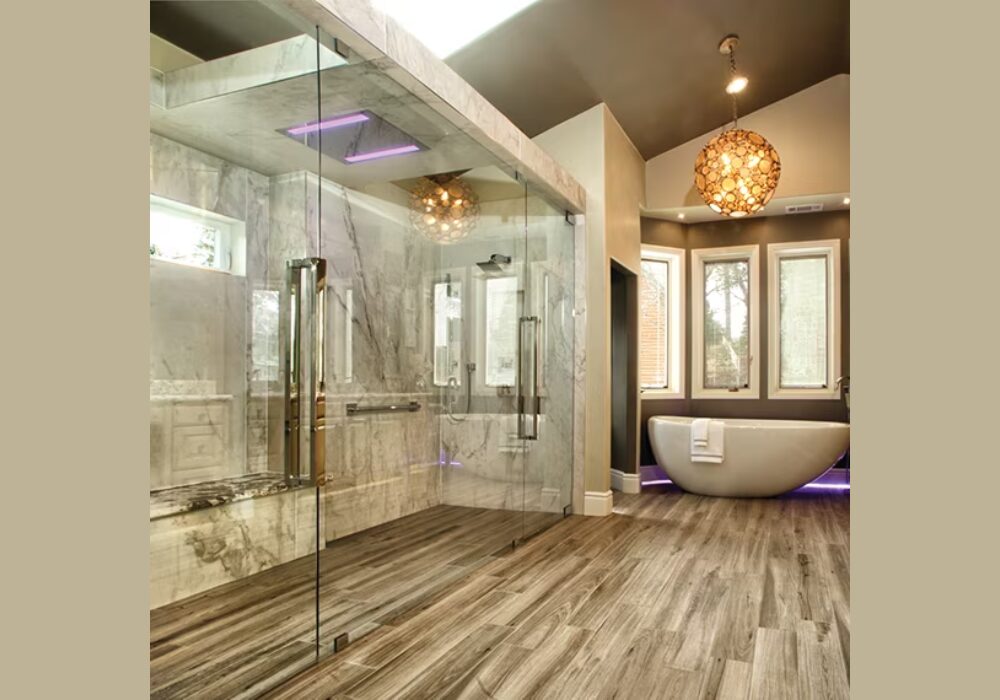
Wood-look porcelain tiles offer the appearance of natural wood while resisting water and moisture. This flooring style works well in bathrooms.
I often suggest this option for homeowners who want warmth in the design but cannot use real wood. Porcelain provides durability and easy maintenance.
The natural grain pattern gives the bathroom a calm and comfortable appearance.
4. Mosaic Tile Floors for Decorative Bathroom Surfaces
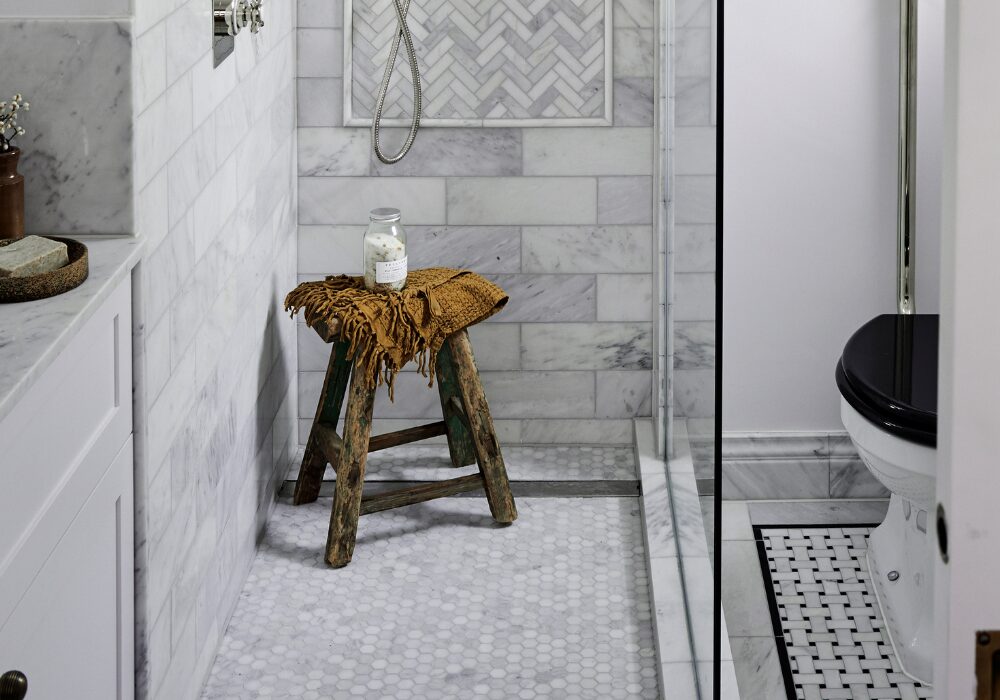
Mosaic tiles consist of small pieces arranged in detailed patterns. These tiles create visual texture on bathroom floors.
Many homeowners use mosaic flooring in small bathrooms because the detailed pattern adds character. The smaller tiles also provide better grip.
Glass, ceramic, and stone mosaics are common choices for decorative bathroom floors.
5. Marble Look Porcelain Flooring for Elegant Bathrooms
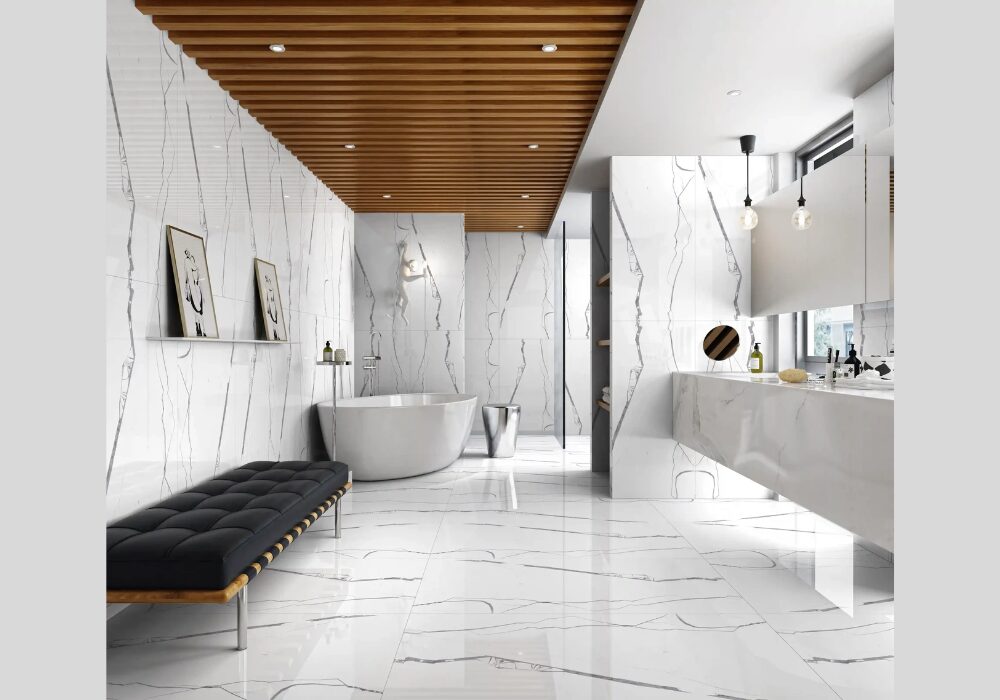
Marble-look tiles provide the appearance of natural marble without high maintenance. Porcelain versions resist moisture and stains.
I often recommend this flooring when someone wants a refined bathroom style. The veining pattern creates depth and visual interest.
Light marble patterns pair well with simple fixtures and neutral wall colors.
6. Herringbone Tile Pattern for Stylish Bathroom Floors
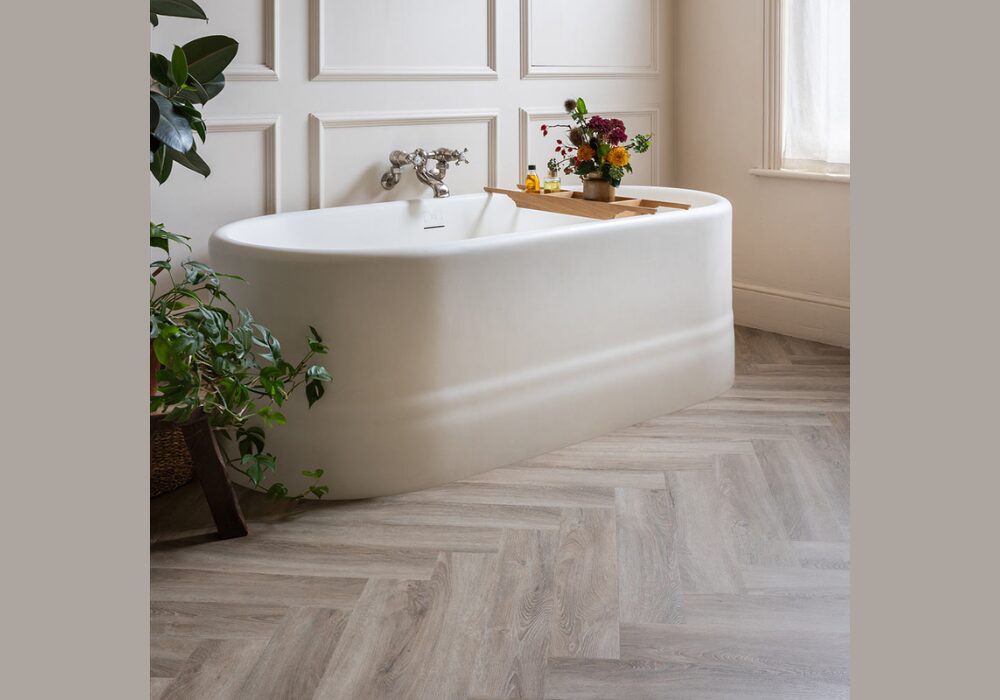
Herringbone tiles create a zigzag pattern that adds movement to bathroom flooring. This layout often makes the space feel more detailed.
I have noticed that herringbone floors draw attention without using strong colors. The pattern itself becomes the main feature.
Rectangular tiles work best for this pattern. Soft neutral shades help keep the design balanced.
7. Matte Finish Tiles for Safe Bathroom Flooring
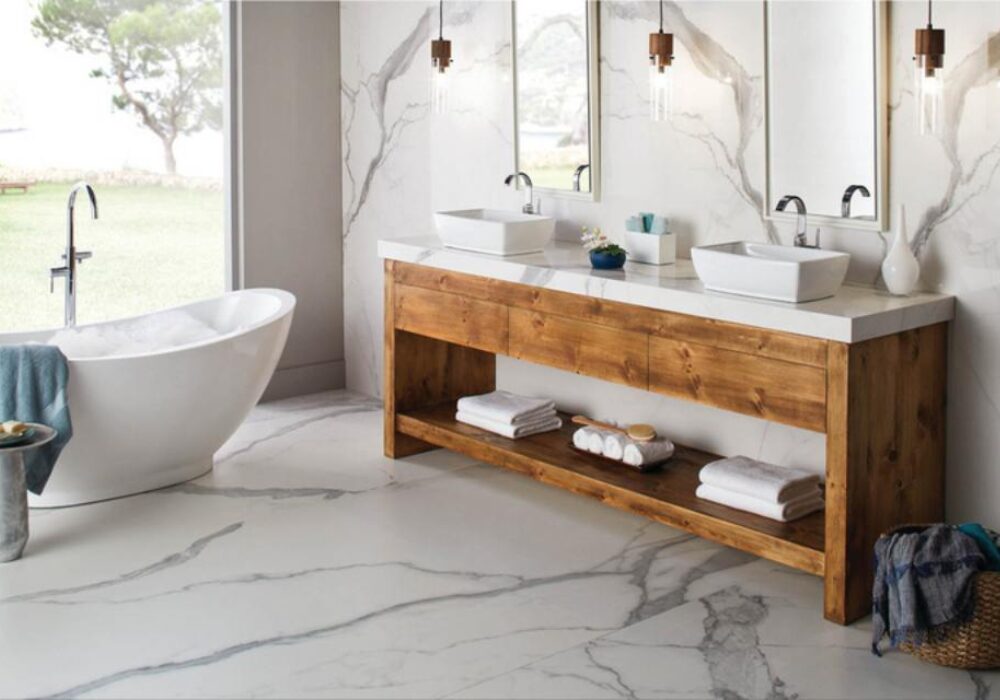
Matte finish tiles provide better grip than glossy surfaces. This makes them a practical choice for bathroom floors.
Many homeowners prefer matte tiles because they reduce slipping and hide water spots. The surface looks natural and clean.
Matte tiles also work well with modern bathroom designs because they create a calm appearance.
8. Two-Tone Tile Flooring for Visual Contrast
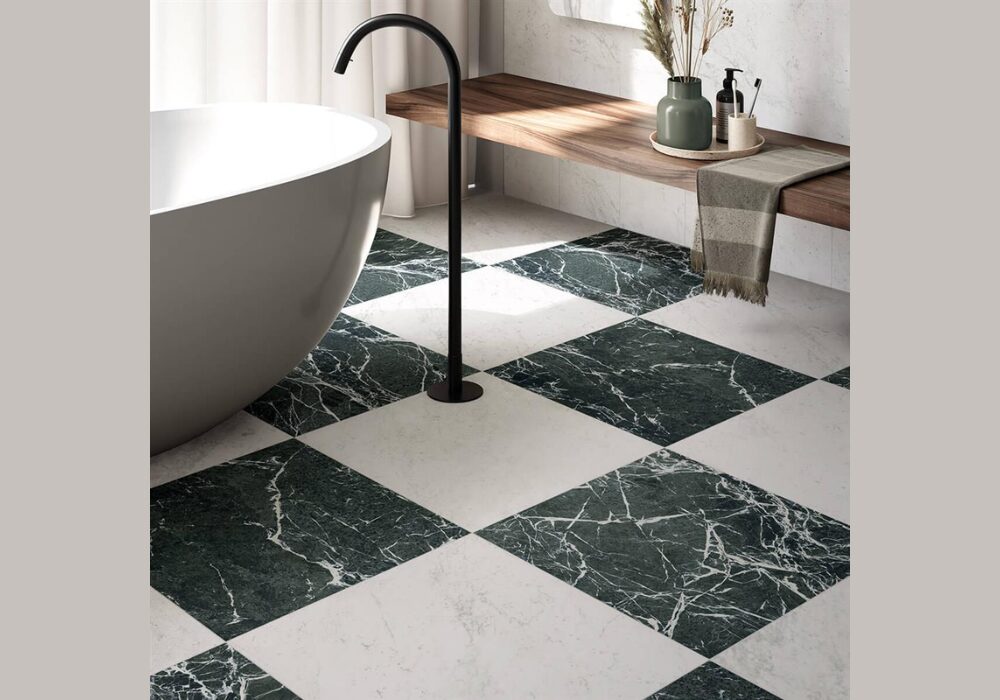
Two-tone flooring combines two complementary colors to create contrast. This approach adds personality without making the bathroom feel crowded.
A common layout uses darker tiles around the edges and lighter tiles in the center. This arrangement frames the floor visually.
Gray and white combinations remain popular because they suit many bathroom styles.
9. Natural Stone Tiles for a Premium Bathroom Floor
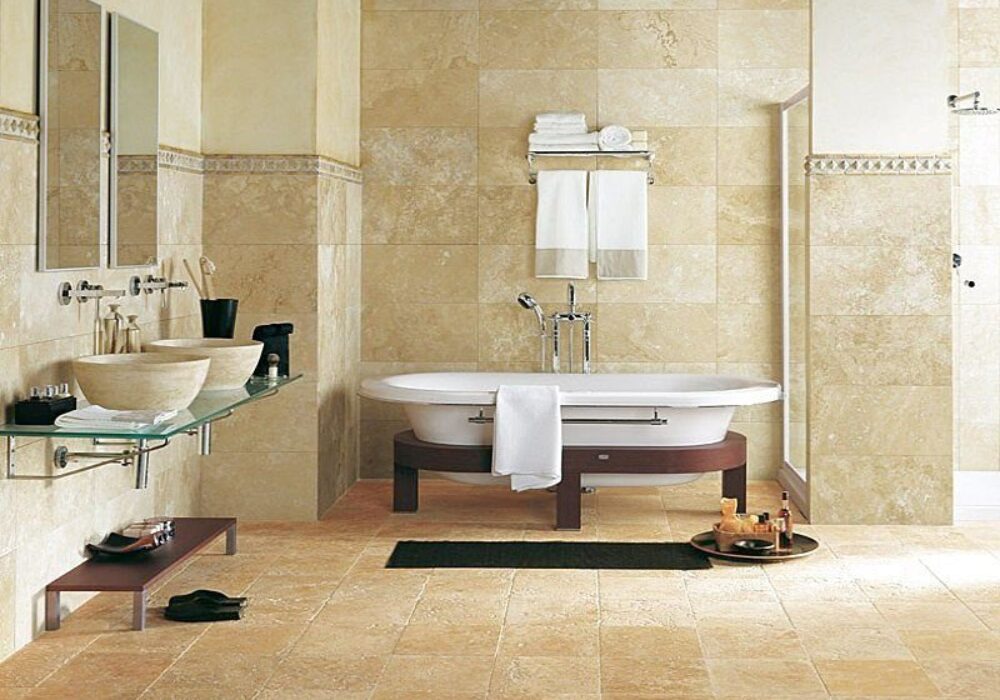
Natural stone flooring creates a strong and durable bathroom surface. Materials like slate, granite, and travertine provide natural texture.
I often suggest stone flooring for homeowners who want a natural appearance. Each tile has a unique pattern, which adds authenticity.
Stone tiles require sealing, but they offer long-lasting durability.
10. Patterned Ceramic Tiles for a Decorative Bathroom Floor
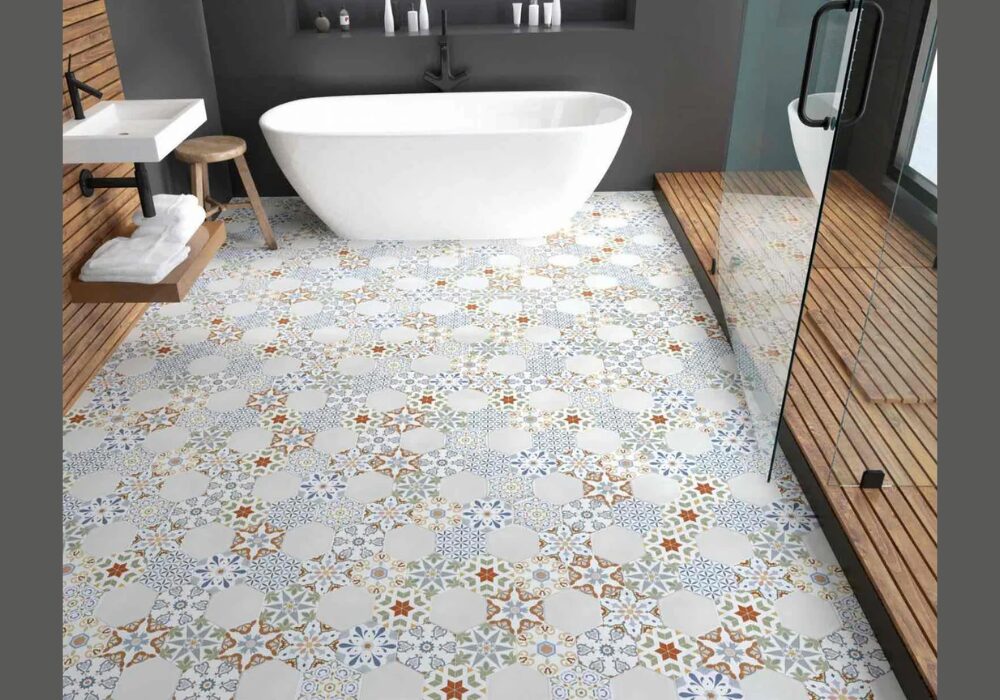
Patterned ceramic tiles bring color and artistic designs to bathroom flooring. Many homeowners use them to create a feature floor.
These tiles work well in small bathrooms because they become the visual focus of the room.
Simple walls combined with patterned floors create balance and prevent the space from feeling busy.
Bathroom Floor Remodeling Tips and Material Guide
Bathroom floor remodeling requires careful planning because moisture and daily use affect durability. The right flooring choice improves safety, comfort, and long-term maintenance.
When I help someone choose bathroom flooring, I usually focus on water resistance, slip safety, and cleaning convenience. These factors make the biggest difference over time.
The following table compares common bathroom flooring materials so readers can understand which option suits their renovation plans.
How to Choose the Right Bathroom Floor Design
Bathroom floor remodeling ideas work best when the design matches the size and style of the room. A small bathroom often benefits from simple patterns, while larger spaces can handle more detailed designs.
I usually recommend starting with the flooring material first and then choosing the tile pattern. This approach helps homeowners stay within budget while still achieving the desired style.
It also helps to consider cleaning and maintenance. Flooring that looks beautiful but requires constant care may not work well for busy households.
Conclusion
Bathroom floor remodeling ideas help homeowners upgrade both the appearance and functionality of their bathrooms. The floor is one of the first surfaces people notice, so choosing the right material and layout makes a major difference.
Large tiles, hexagon patterns, wood-look porcelain, and marble look flooring remain popular because they combine style with durability. Each option offers a different way to improve the bathroom while maintaining practical use.
When I plan a bathroom renovation, I focus on flooring that balances design, safety, and maintenance. A thoughtful flooring choice keeps the bathroom comfortable and visually appealing for many years.
FAQs
Porcelain tiles usually work best because they resist water, stains, and daily wear.
Yes. Large tiles reduce grout lines, which helps the floor appear more open.
Light colors such as gray, beige, and white often make bathrooms look brighter and larger.
Natural stone works well but requires sealing to protect the surface from moisture.
Matte finish tiles or textured surfaces provide better grip and reduce slipping.
Yes. Patterned tiles often add character to small bathrooms when walls remain simple.